
The Best Time to Nap

The Best Time to Nap

Get in tune with your body's natural rhythm
The Chinese Medicine Clock shows the order of 2 hour periods where each organ system is the most active during a 24 hour cycle. Physical or emotional Issues that occur at the same time every day can relate to imbalances with the related organ. The clock can be a guide for lifestyle choices to support our health and natural circadian rhythms.
The Heart Hour
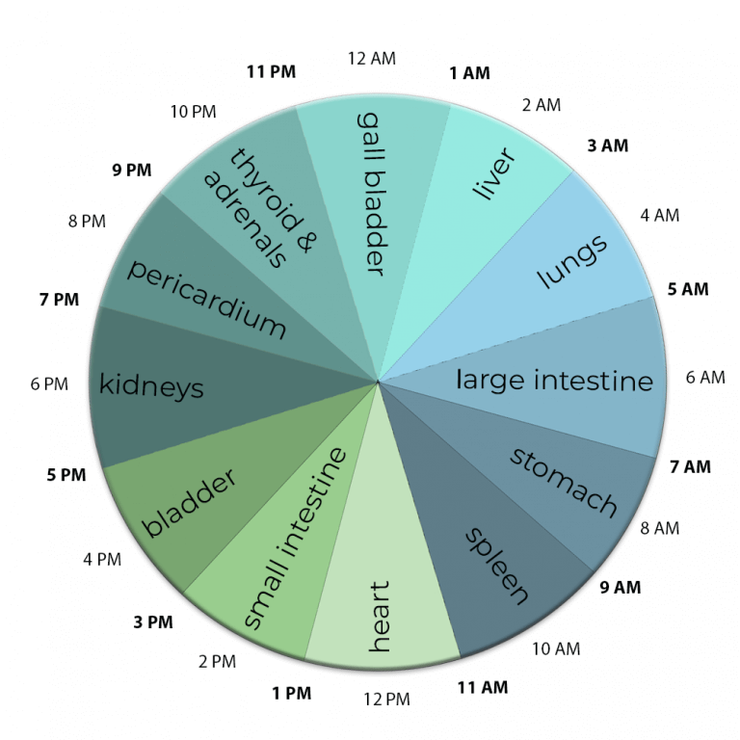
Nap time: According to the Traditional Chinese Medicine (TCM) body clock, the period between 11:00 a.m. - 1:00 p.m. is associated with the heart and is considered an ideal time to restore energy. A brief period of rest during these midday hours can help you recharge, support relaxation, and promote a sense of mental and physical balance.
Nap length: A short nap of 15 to 30 minutes is often recommended. This length is generally enough to feel refreshed without the grogginess that can follow longer naps. In TCM, this practice is believed to support heart health and emotional well-being, while modern research also suggests that a brief midday nap can improve alertness, mood, and cognitive performance.
After waking, take a few minutes to ease back into your day with light movement, such as a short walk or gentle stretching. This helps your body transition back to an active state and leaves you feeling more energized for the afternoon.
Alternative Deep Relaxation Methods
Not a napper? You can still experience the benefits of Non-Sleep Deep Rest (NSDR) without actually falling asleep. These practices help promote deep relaxation, support the body's natural recovery processes, reduce stress, and restore energy. Try one of these restorative options: • Guided meditation • Mindfulness practice • Breathwork • Restorative yoga Or treat yourself to an Acu Nap—a term inspired by the common experience of drifting off during an acupuncture treatment. Many people become deeply relaxed or fall asleep during acupuncture as the body shifts into its parasympathetic, or "rest and digest," state. As the nervous system relaxes, the brain may transition from faster beta waves associated with active thinking into slower alpha and theta waves, which are linked with calm awareness, deep relaxation, and the transition into sleep. During this restorative state, stress responses decrease while calming, feel-good chemicals such as endorphins and serotonin increase, helping the body settle, recharge, and restore balance.
126 N. C St. Salida, CO 81201 719-398-1660


Comments